Can Polygraphs Really Keep Racists Out of Law Enforcement?

Shane Sullivan
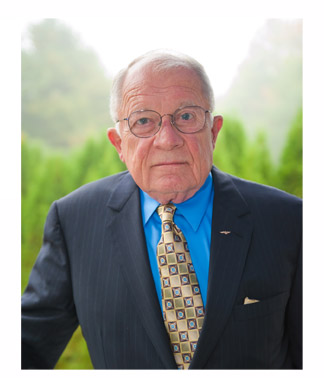
Coopertown, TN police chief Shane Sullivan

News organizations across America yesterday carried an Associated Press story about how the police chief of a small town in Tennessee was using polygraphs to “weed out racists” from the hiring process:

Police Chief’s Polygraph Targets Racist Applicants

By SHEILA BURKE Associated Press
COOPERTOWN, Tenn. March 8, 2013 (AP)

A police chief hired to rebuild a tiny Tennessee department dismantled by scandal is using a lie-detector test to keep racists off his force.

Coopertown Police Chief Shane Sullivan took over the department in November, becoming the 11th chief in as many years. He was hired on the heels of a series of police scandals that for a few months left Coopertown with no police at all. Years before that, a mayor was voted out of office after the local prosecutor accused him of racism and running a notorious speed trap.

Law enforcement experts say Sullivan’s polygraph approach is unusual, though some departments use the devices for other purposes during the application process. Others try to root out bias in other ways. One polygraph expert warned that lie detectors can’t accurately predict racism for reasons that include people’s inability to recognize their own racism.

Sullivan said he doubts racists will even apply for the force if they know about the tests.

“I think the polygraph will definitely keep these people from applying,” the 39-year-old chief said.

And he believes the policy is working, because he says it’s already discouraged some applicants. “I’ve told a couple of ones about the polygraph who have not called me back.”

The fact that an applicant didn’t call back after being told about the polygraph requirement doesn’t necessarily mean that the applicant was a racist afraid of being caught by the lie detector. In fact, that is very unlikely to be the case. As the article goes on to explain, the polygraph question is not whether one holds racist attitudes, but whether one has committed a hate  or race-based crime. Presumably, very few law enforcement applicants, even those with strong racial biases, have committed such crimes. It’s quite possible that the applicants lost interest for other reasons, such as low pay and poor career prospects with the tiny, trouble-plagued department.

Read more

Do Polygraphs Tell the Truth?

Conor McKeever, writing for Imperial College, London’s science magazine, I, Science, asks the question and in a concise, well-researched article, answers it with a resounding “no,” concluding: “It’s time to expose the fact that lie detectors do not actually ‘tell the truth, the whole truth and nothing but the truth’ but only someone’s interpretation of … Read more

Russia Today on Polygraph Screening in the United States

Marina Portnaya of Russia Today (RT) reports on polygraph screening by the federal government of the United States. Those interviewed include retired CIA polygraph examiner John Sullivan, McClatchy reporter Marisa Taylor, and Professor Stephen Fienberg, who headed the National Research Council’s Committee to Review the Scientific Evidence on the Polygraph: https://www.youtube.com/watch?v=Ycd0TQv-zkA Ironically, the Russian interior … Read more

Obama Administration Blows Off Criticism of Polygraph Screening

  Marisa Taylor of McClatchy Newspapers reports that Director of National Intelligence James Clapper is drafting a new national policy on polygraph screening. Excerpt: WASHINGTON — The Obama administration is drawing up a new national polygraph policy in the wake of allegations that federal agencies are pushing legal and ethical limits during screenings of job … Read more

McClatchy Investigative Series on Polygraph Screening

McClatchy Newspapers investigative reporter Marisa Taylor has published a new series of well-researched articles on federal polygraph screening programs: Feds expand polygraph screening, often seeking intimate facts As polygraph screening flourishes, critics say oversight abandoned Federal polygraph programs are secret even to researchers U.S. polygraphers questioned accuracy of tests on detainees overseas Apart from numerous … Read more

Facebook Claimant Who Passed Polygraph Arrested for Fraud

In 2010, Paul Ceglia of Wellsville, New York filed a lawsuit against Facebook founder Mark Zuckerberg, claiming that a 2003 contract entitled him to half of Zuckerberg’s interest in the company. Ceglia passed a polygraph “test” administered on 11 June 2010 by Michael Pliszka, a retired law enforcement officer and member of the American Polygraph … Read more

Probationer Sentenced to 8 Years in Prison for Failing Polygraph

Caleb Beames reports for television station KTRE on the case of a probationer in Texas who has been sentenced to eight years in prison, largely on the ground that she failed three polygraph screening interrogations. Such judicial reliance on polygraph outcomes is entirely inappropriate, because polygraphy has no scientific basis: LUFKIN, TX (KTRE) – A … Read more

NRO Threatens Polygraph Examiners Who Raise Concerns

In a new article about malfeasance at the National Reconnaissance Office, McClatchy correspondent Marisa Taylor reports on the NRO’s reaction to her recent reporting based on interviews with whistleblowers from the intelligence agency’s polygraph unit. Excerpt: After McClatchy published stories raising questions about the National Reconnaissance Office’s polygraph program in July based on whistleblower allegations, … Read more