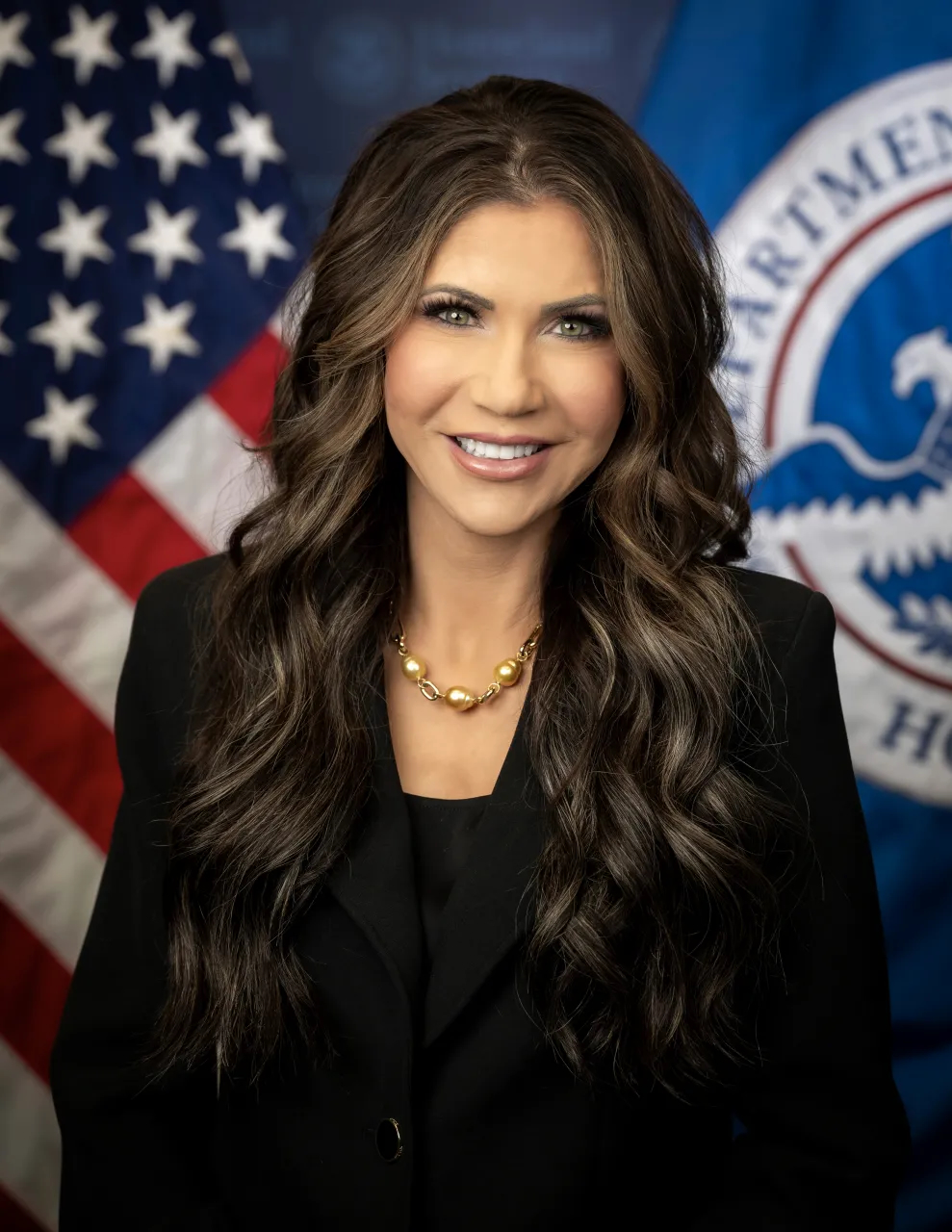
On 18 February 2025, Bloomberg Government reporter Ellen M. Gilmer broke the news that U.S. Department of Homeland Security Secretary Kristi Noem had a week earlier “issued an internal directive that all polygraphs the Department of Homeland Security administers must include a question about unauthorized communications with media and nonprofit organizations, according to a memo described to Bloomberg Government by two people without authorization to speak publicly.”
The next day, on 19 February 2025, AntiPolygraph.org filed a Freedom of Information Act request for “a copy of any directives on polygraph policy issued by Homeland Security Secretary Kristi Noem since she assumed office on January 25th, 2025.”
On 30 September 2025, DHS released to us a copy of Policy Statement 121-20, a 2-page memorandum dated 12 February 2025 from Secretary Kristi Noem to “DHS Component and Office Heads” with the subject line, “Use of Polygraph Examinations in Support of Personnel Security Determinations for Initial or Continued Eligibility for Access to Classified Information or Eligibility to Hold a Sensitive Position.”
Prior to its release under the Freedom of Information Act, the memorandum had been marked “For Official Use Only.”
The operational portion of the memorandum confirms Gilmer’s reporting:
The DHS [Chief Security Officer] is hereby directed to, in coordination with the Office of the General Counsel, establish and maintain an effective Department-wide polygraph program for personnel security vetting, per my instructions, to ensure that access to classified information or placement in a sensitive position within the Department is clearly consistent with the interests of the national security. Because of the unique nature of our department and the deleterious effect of leaks of both border and interior immigration enforcement activities, any polygraph administered must also ask about unauthorized communications with organizations, media or nonproft or otherwise [sic].
DHS Components that have established polygraph programs where polygraphs are actually administered as part of personnel security vetting, may, to the extent they do not conflict with the Department’s policy or its intent, consistent with their authorities and mission requirements, as a matter of policy continue to use polygraph examinations without new determinations from the Secretary to require the use of polygraph examinations in support of personnel security determinations for initial or continued eligibility for access to classified information or eligibility to hold a sensitive position.
Prior to this directive, no department-wide polygraph screening program existed within the Department of Homeland Security, whose component agencies include U.S. Customs and Border Protection (CBP), U.S. Immigration and Customs Enforcement (ICE), U.S. Citizenship and Immigration Services, the Federal Emergency Management Agency (FEMA), the U.S. Secret Service, the Cybersecurity and Infrastructure Security Agency, the Transportation Security Administration (TSA), and the U.S. Coast Guard.
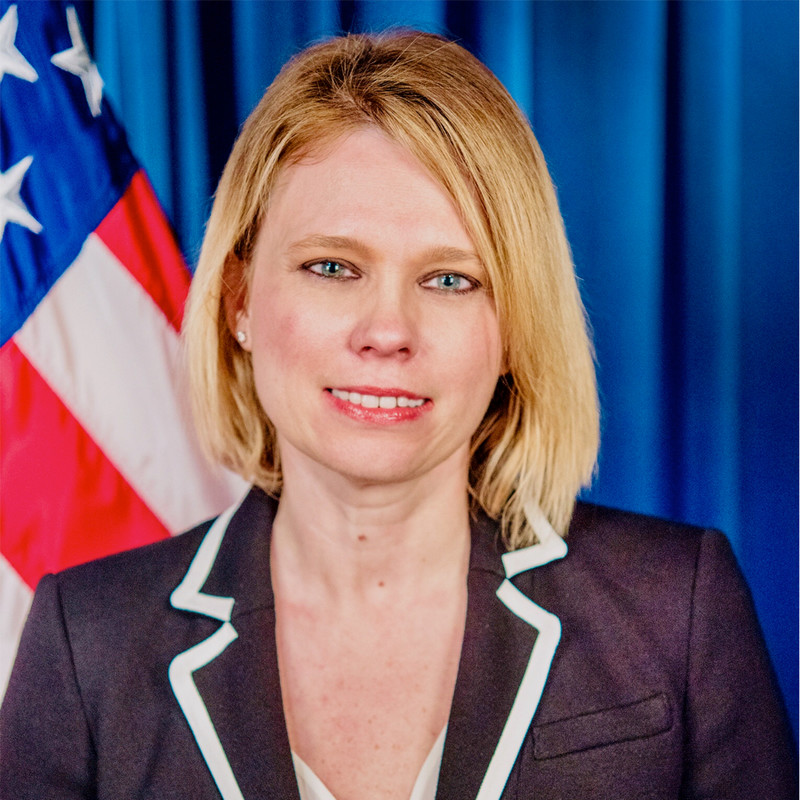
Iwona B. Horyn
The official given the unenviable task of establishing a department-wide polygraph program is career-DHS security official Iwona B. Horyn, who according to DHS’s website is the acting Chief Security Officer.
Since news of Secretary Noem’s polygraph memorandum leaked in February, Noem has gone on to publicly boast about her embrace of polygraph screening, gleefully telling broadcaster Tim Pool, “We’re polygraphing everybody!”
There is no documented instance of polygraph screening ever solving a federal leak investigation.
I wonder if acting director Todd Blance will continue this policy.